OSWALD OBERHUBER, Erika Patka, Uta Krammer
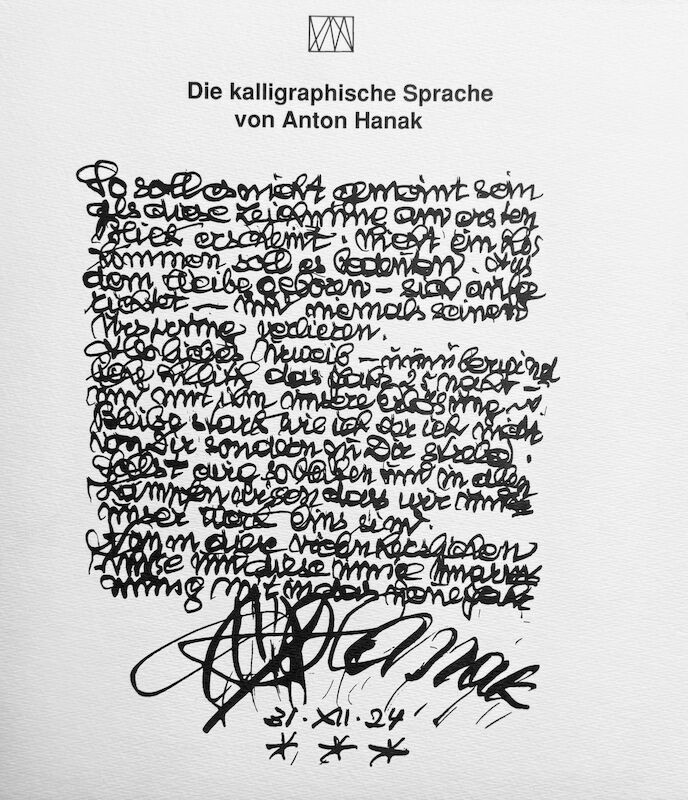
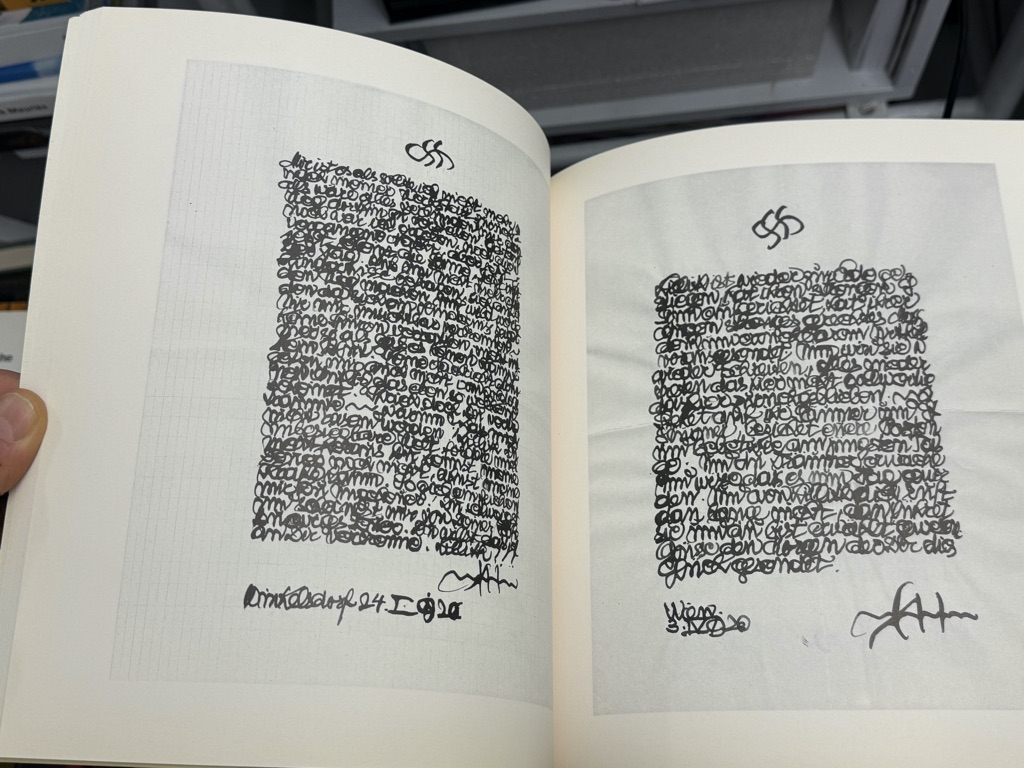
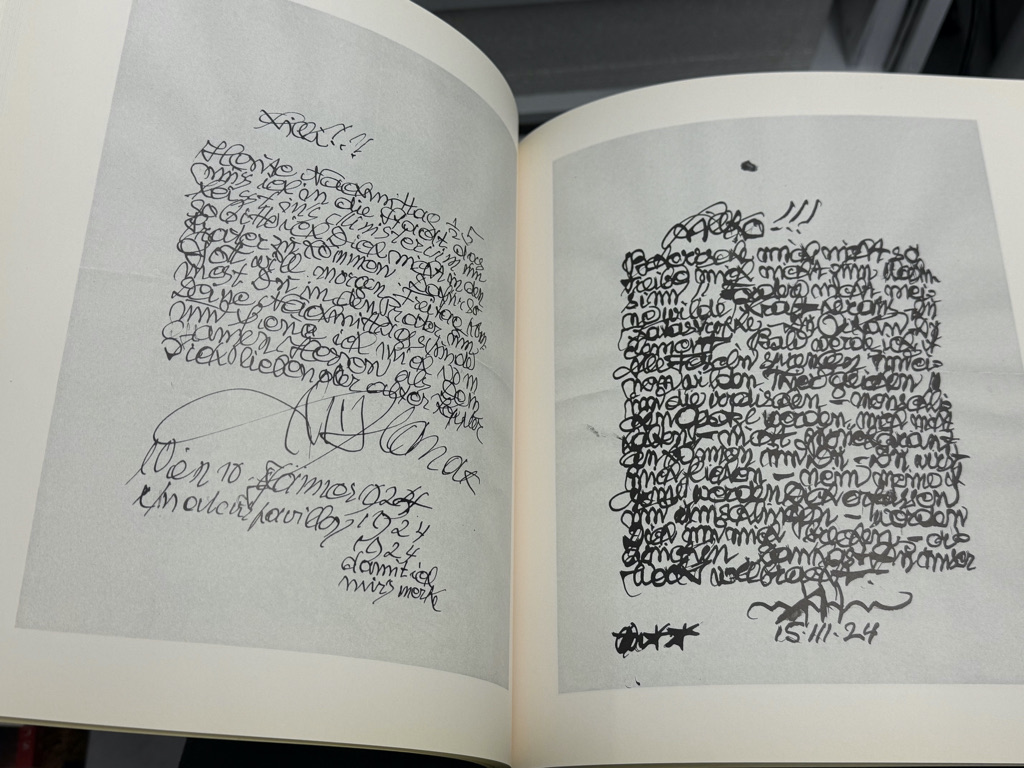
Anton Hanak — The Calligraphic Language
Anton Hanak’s sculptural practice is frequently characterised by what can be described as a calligraphic formal language — a mode of
sculptural articulation in which line, rhythm, and gestural movement assume structural significance. Rather than prioritising anatomical exactitude or descriptive naturalism, Hanak developed forms that condense bodily presence into flowing contours and expressive directional tensions.
This calligraphic quality emerges particularly in the treatment of surface and silhouette. Lines appear not merely as boundaries but as carriers of movement, suggesting inner emotional or spiritual states. The sculptural form thus operates analogously to handwriting: it records energy, temporality, and psychological intensity within material structure.
Situated within early twentieth-century Central European modernism, Hanak’s work reflects broader tendencies toward abstraction, expressive reduction, and the search for new symbolic vocabularies beyond academic naturalism. His sculptures negotiate between figuration and abstraction, where corporeal reference remains legible but is transformed into a dynamic system of lines and volumes.
From a contemporary perspective, this calligraphic dimension can be understood as a strategy of dematerialisation within sculpture — an attempt to translate gesture, affect, and inner experience into spatial form. Hanak’s work therefore occupies a transitional position between traditional figurative sculpture and later modernist explorations of expressive abstraction.