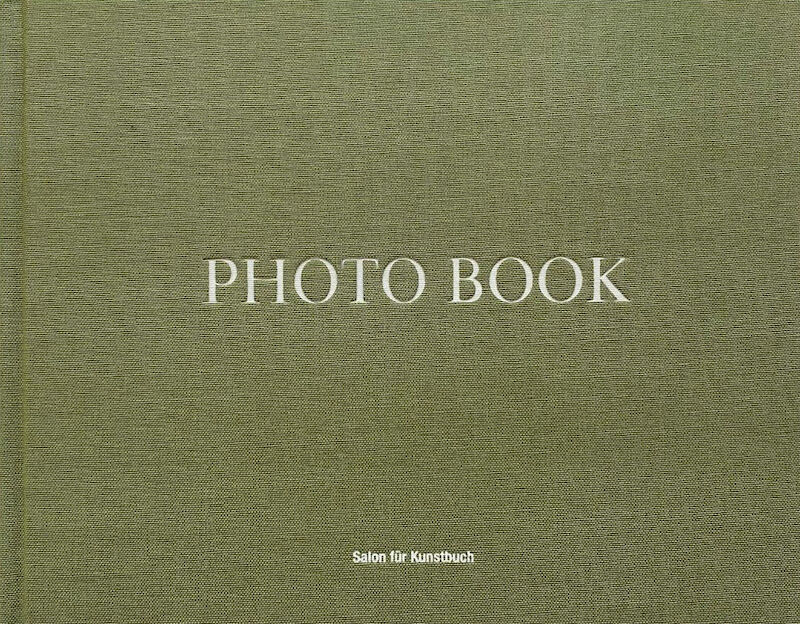
PHELETYPIA PHOTO BOOK
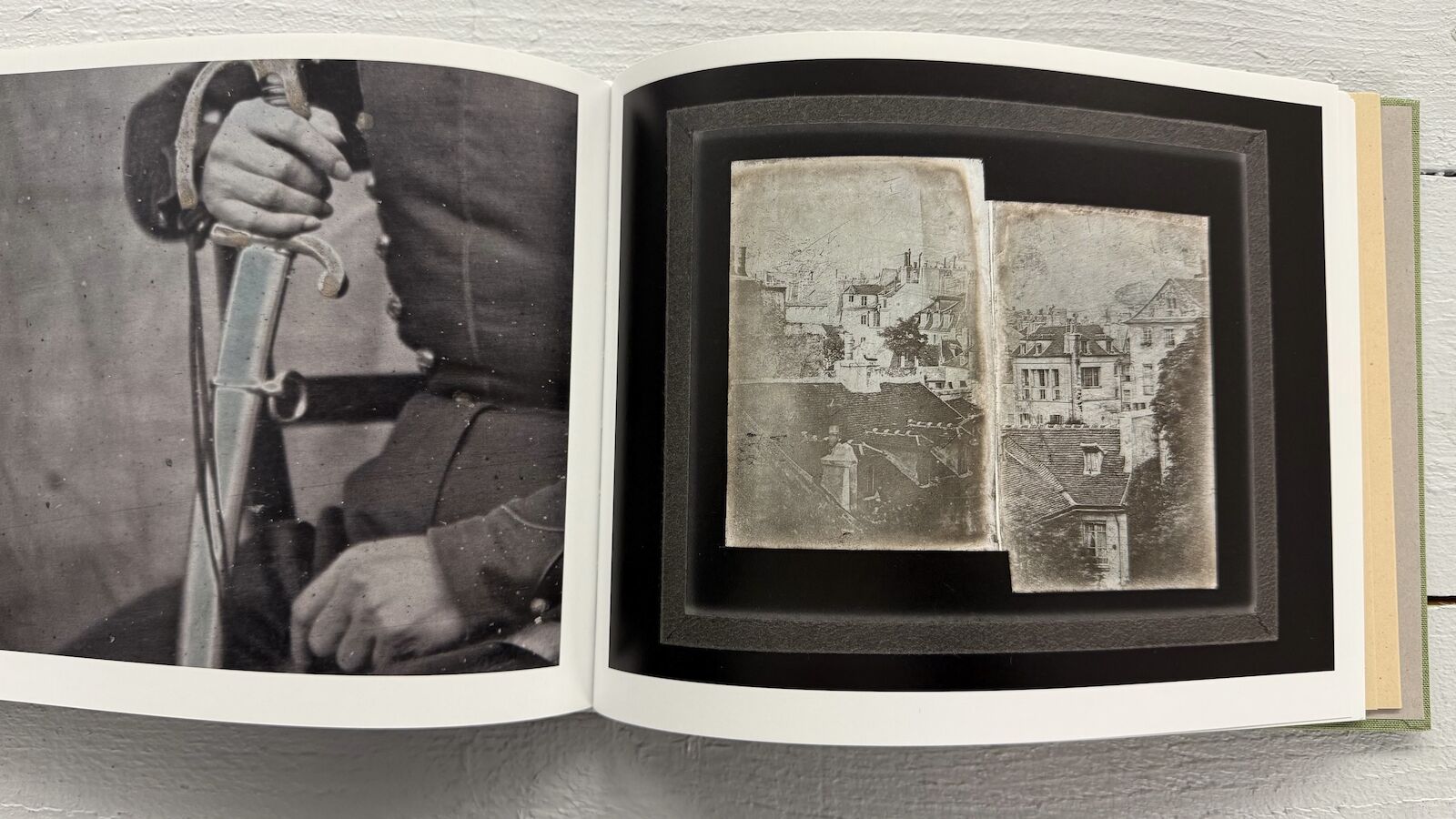
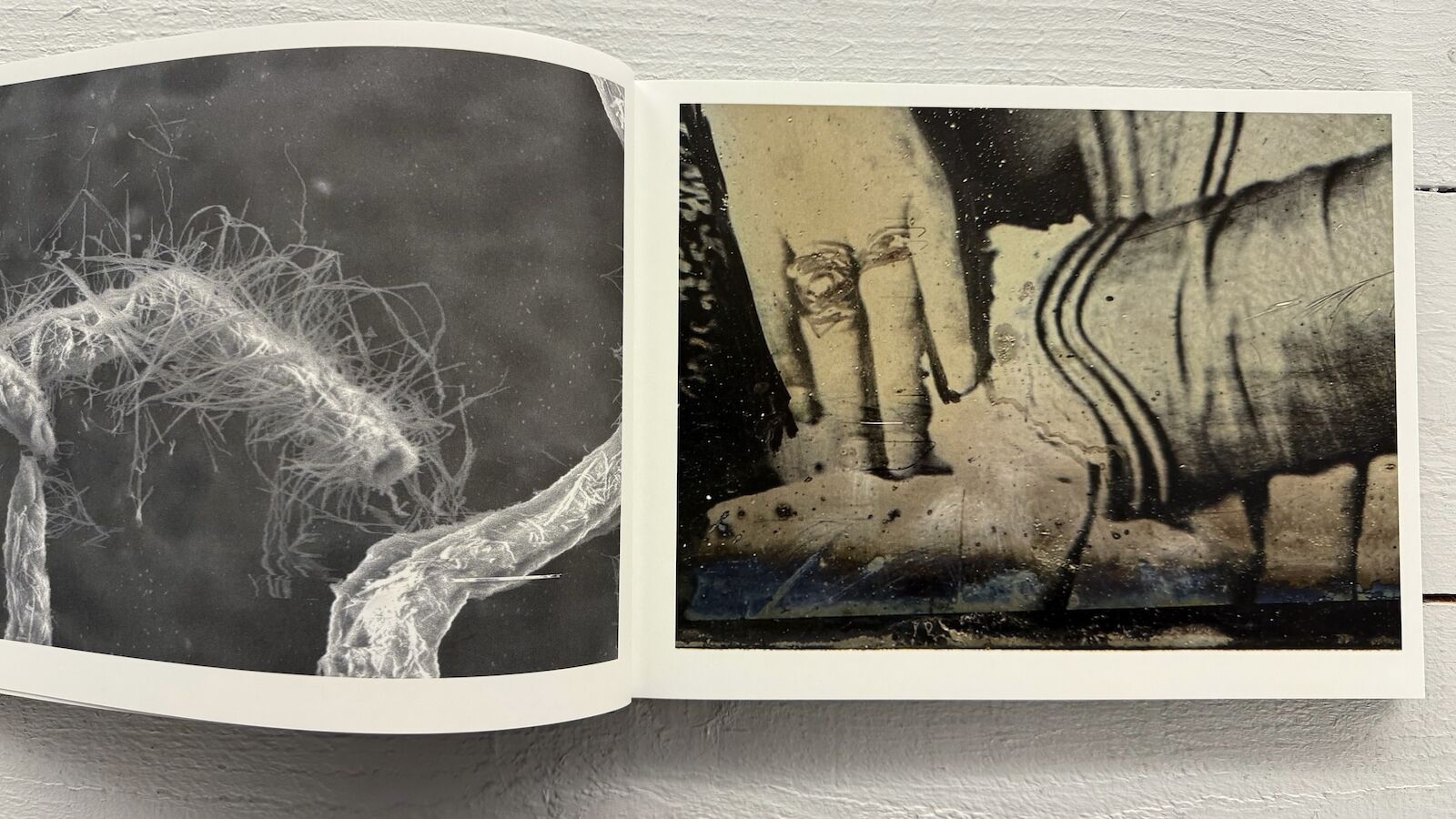
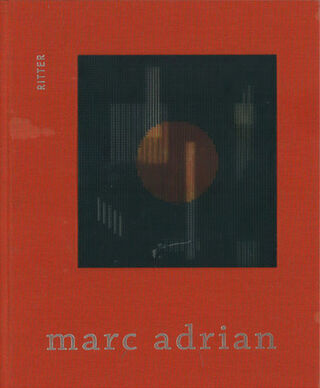
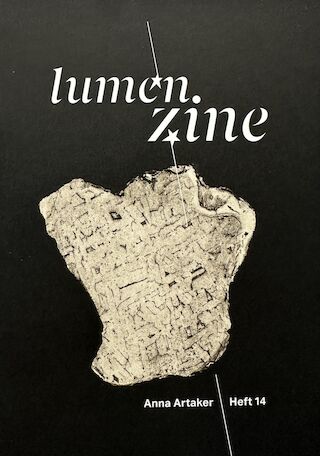
This artist’s book brings together two technological extremes: one of the earliest photographic processes, the daguerreotype, and one of the most advanced contemporary imaging techniques, scanning electron microscopy.
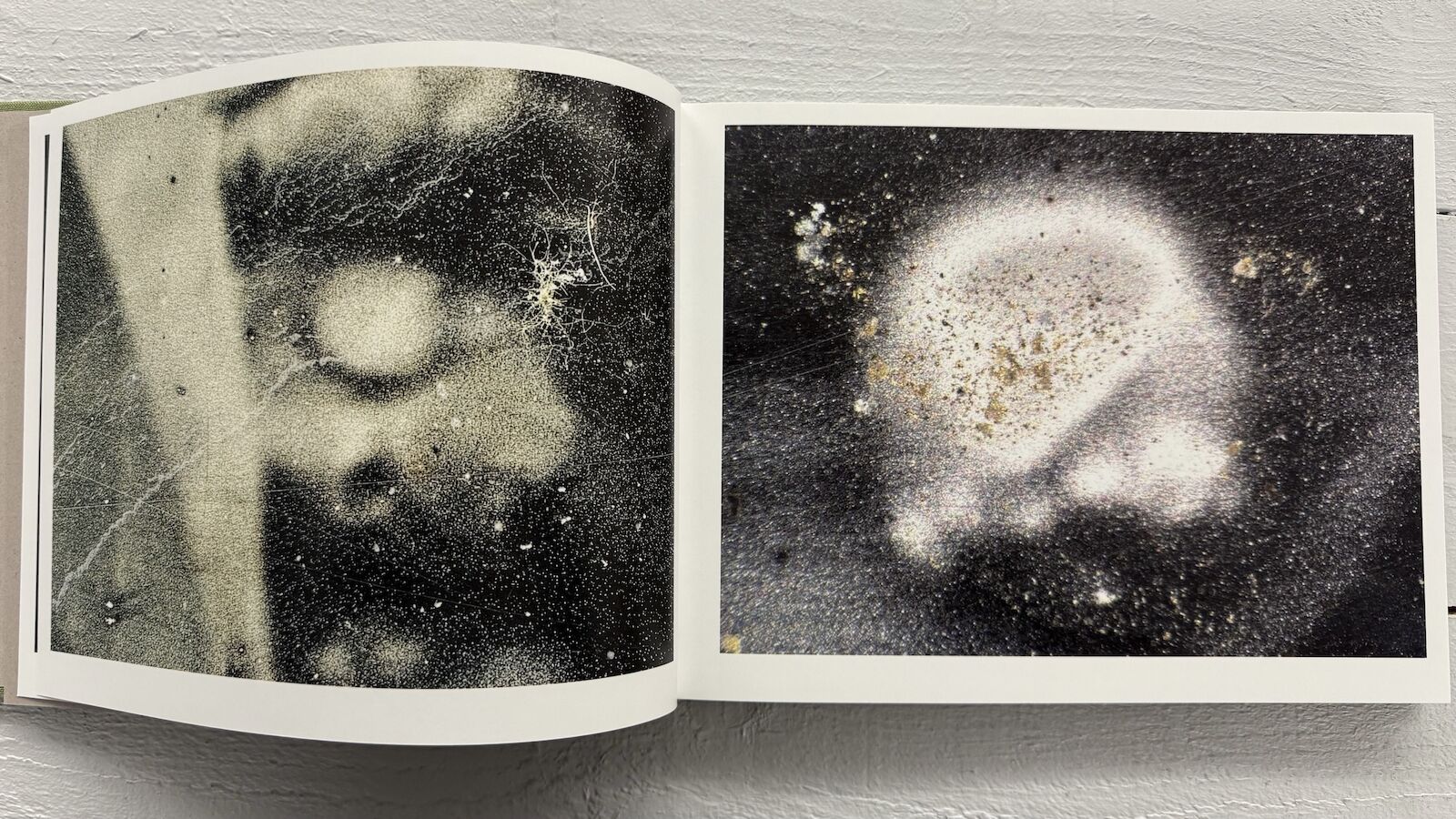
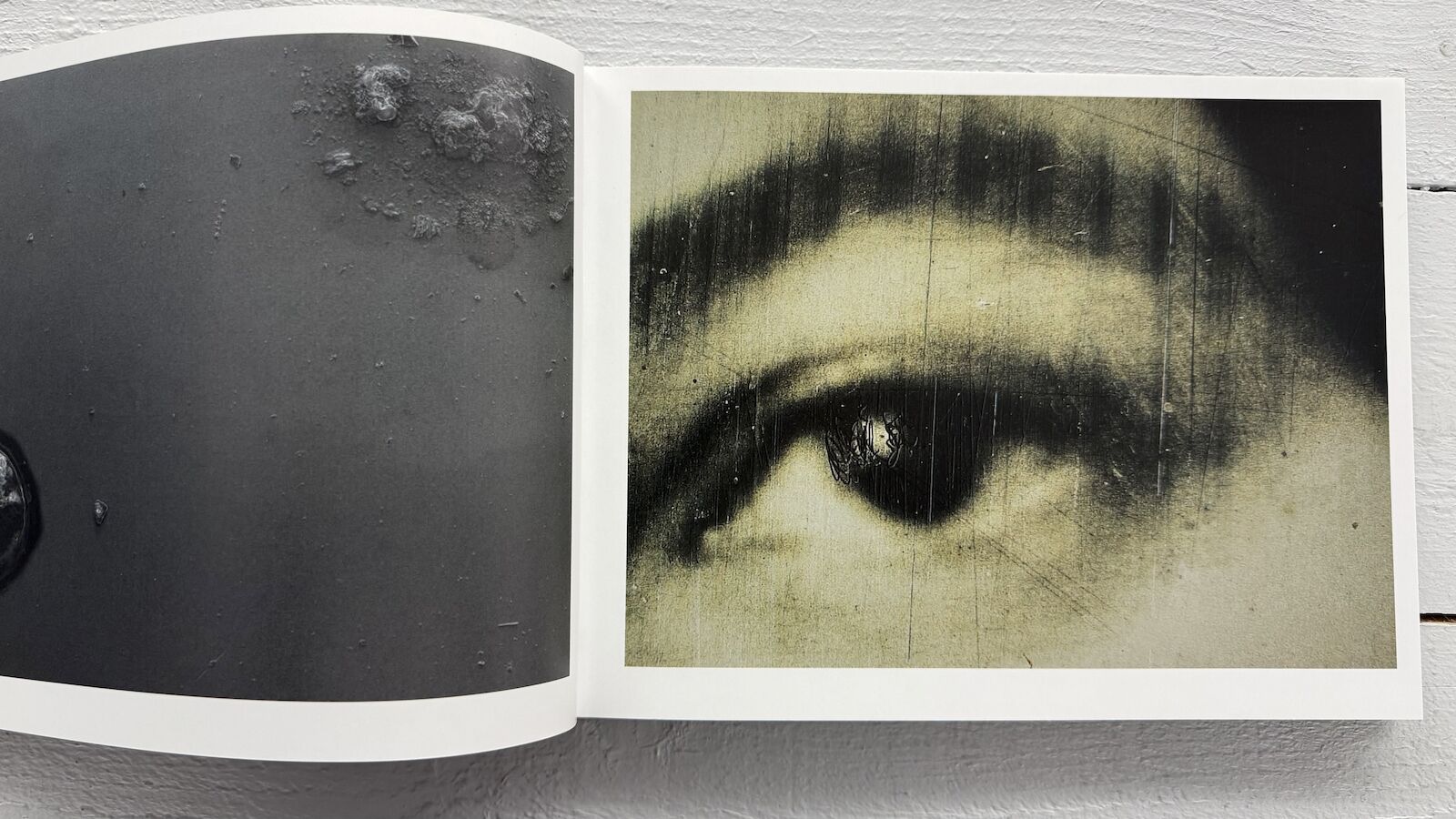
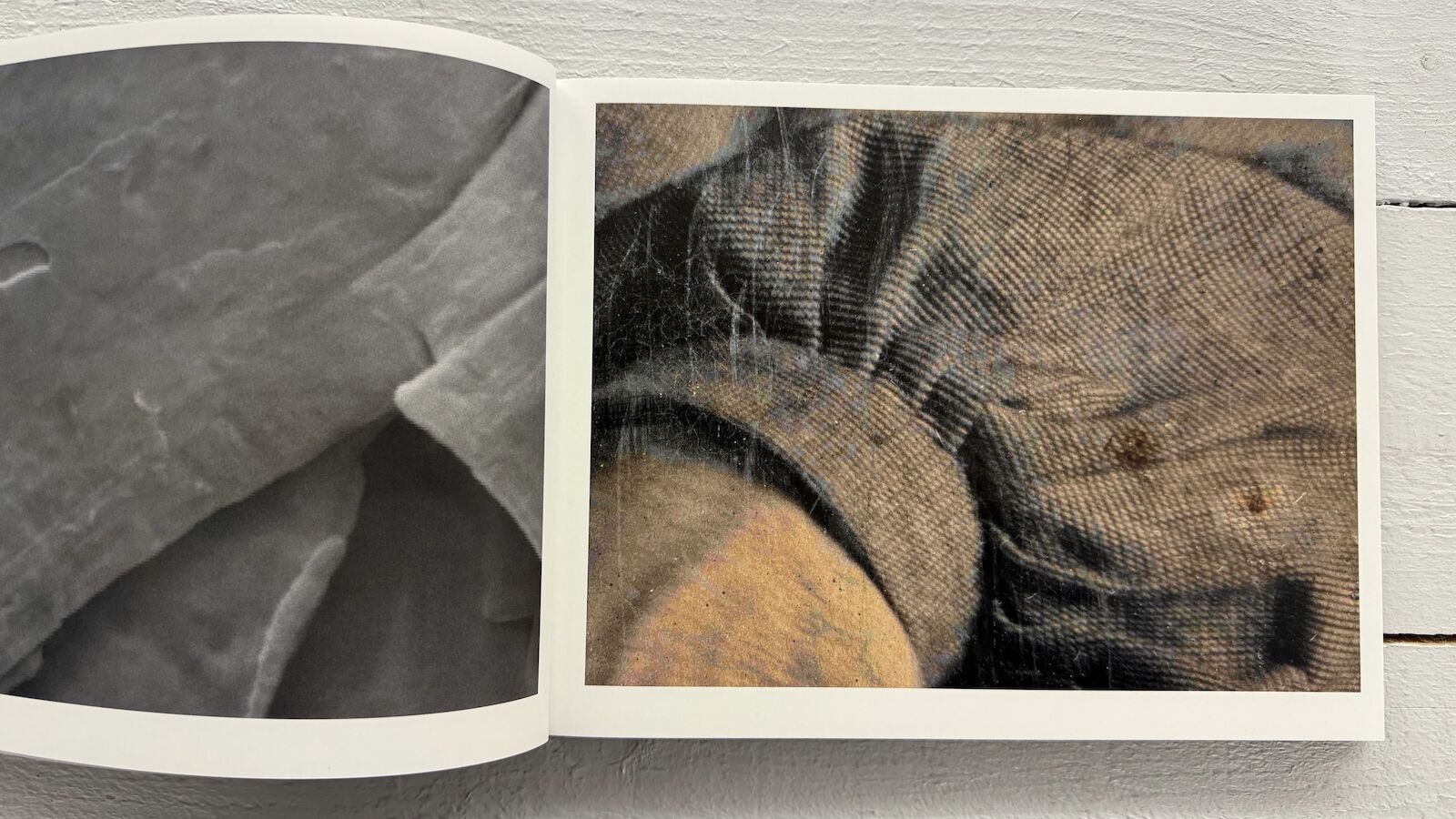
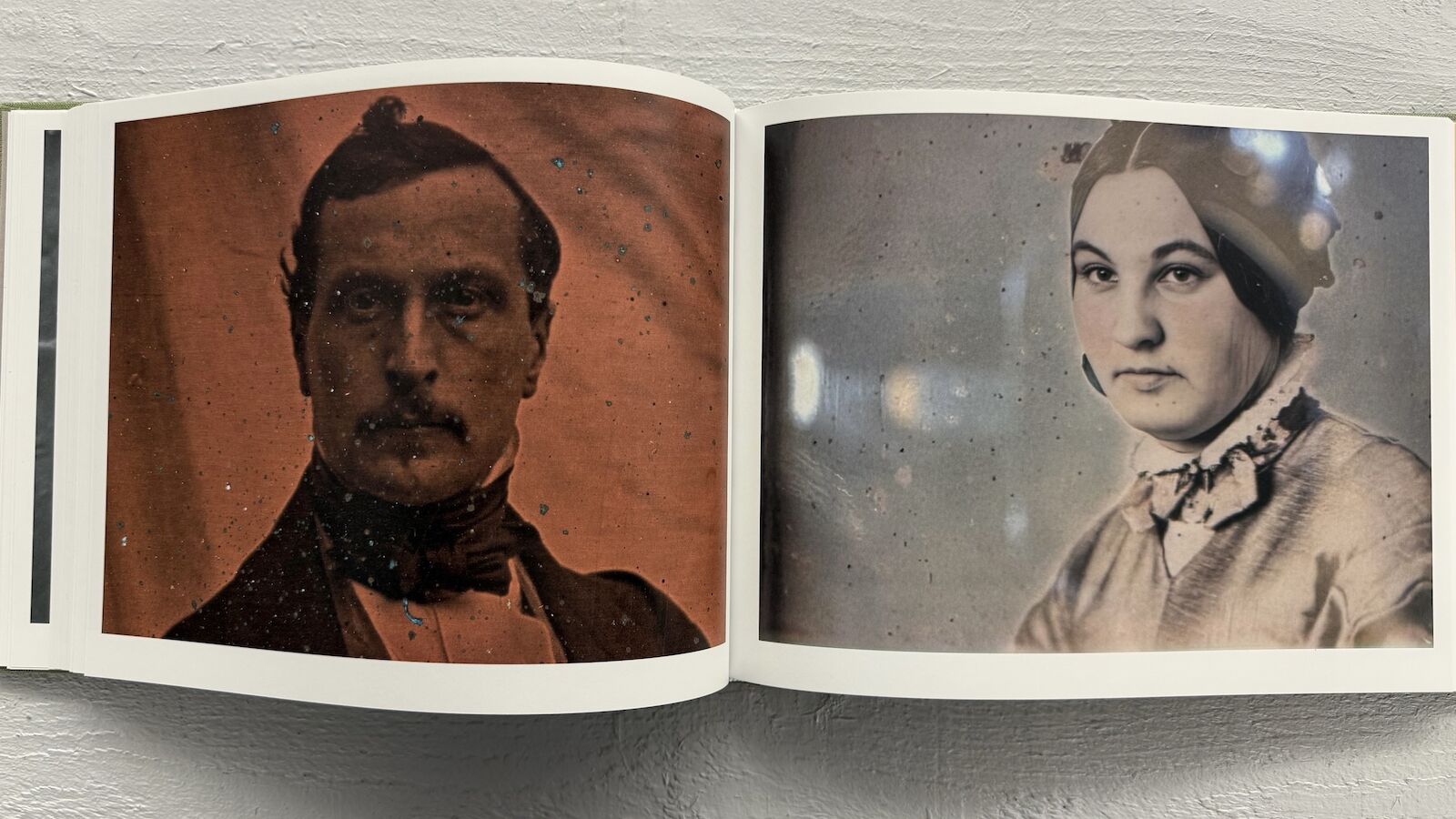
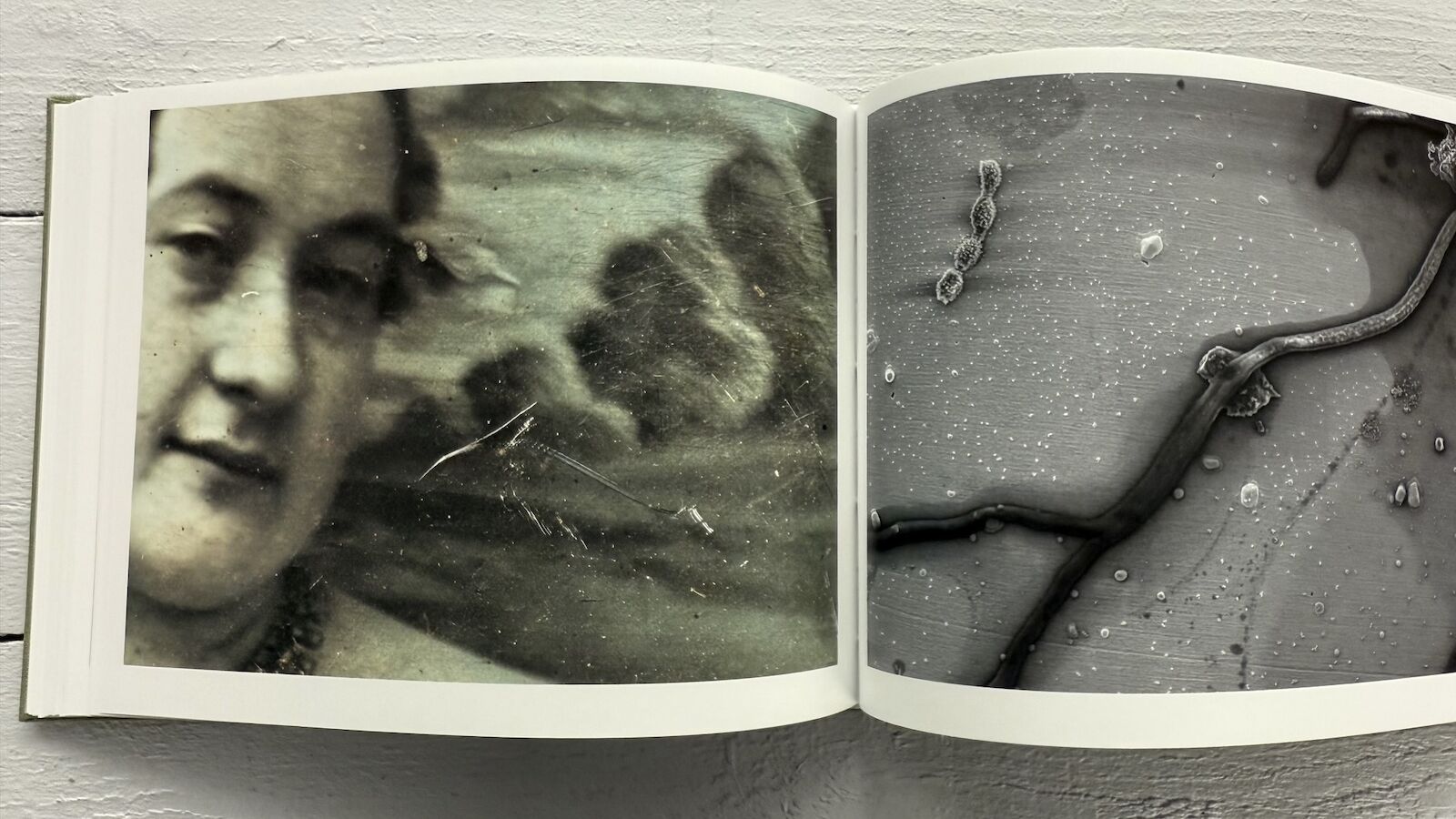
The daguerreotypes—early attempts to fix images chemically onto a surface—are here re-examined at the nanometer scale. Removed from their scientific context, the microscopic analyses reveal particles, corrosion, and material transformations that dissolve the original images into abstract formations. What once functioned as a medium of representation reappears as a field of material traces.
By juxtaposing these two endpoints of image production and analysis, the book shifts attention from depiction to substrate. It proposes an artistic-research perspective in which images are not stable entities, but contingent constructs—dependent on the technologies that produce, capture, and interpret them, and on the forms of knowledge that emerge through these processes.
This work was developed in the context of the interdisciplinary Heritage Science Austria research project PHELETYPIA, which investigates the impact of early photographic and electrotyping processes on image formation, as well as the material conditions of metal-based image carriers, including corrosion and preservation. The project is funded by the Austrian Academy of Sciences and the National Foundation for Research, Technology and Development.
Dieses Künstlerbuch verbindet zwei technologische Extrempunkte: eines der frühesten fotografischen Verfahren, die Daguerreotypie, und eine der avanciertesten bildgebenden Technologien der Gegenwart, die Rasterelektronenmikroskopie. Die Daguerreotypien – frühe Versuche, Bilder chemisch auf einer Oberfläche zu fixieren – werden hier im Nanometerbereich neu untersucht.
Aus dem wissenschaftlichen Kontext herausgelöst zeigen die mikroskopischen Aufnahmen Partikel, Korrosionsspuren und materielle Transformationsprozesse, in denen sich die ursprünglichen Bildinhalte in abstrakte Strukturen auflösen. Was einst als Darstellung fungierte, erscheint nun als materielles Gefüge von Spuren.
Durch die Gegenüberstellung dieser beiden Endpunkte von Bildproduktion und Bildanalyse verschiebt das Buch den Fokus vom Motiv zum Trägermaterial. Es formuliert eine künstlerisch-forschende Perspektive, in der Bilder nicht als stabile Einheiten erscheinen, sondern als abhängige Konstruktionen – bestimmt durch die Technologien ihrer Herstellung, Erfassung und Interpretation sowie durch die Wissensformen, die daraus hervorgehen.