
Hard Cover, English, Thread Stitching, 232 Pages, 2022
The Project of Independence
In the aftermath of independence in 1947–48, architecture in South Asia became a decisive arena for negotiating modernity, political self-determination, and cultural identity.
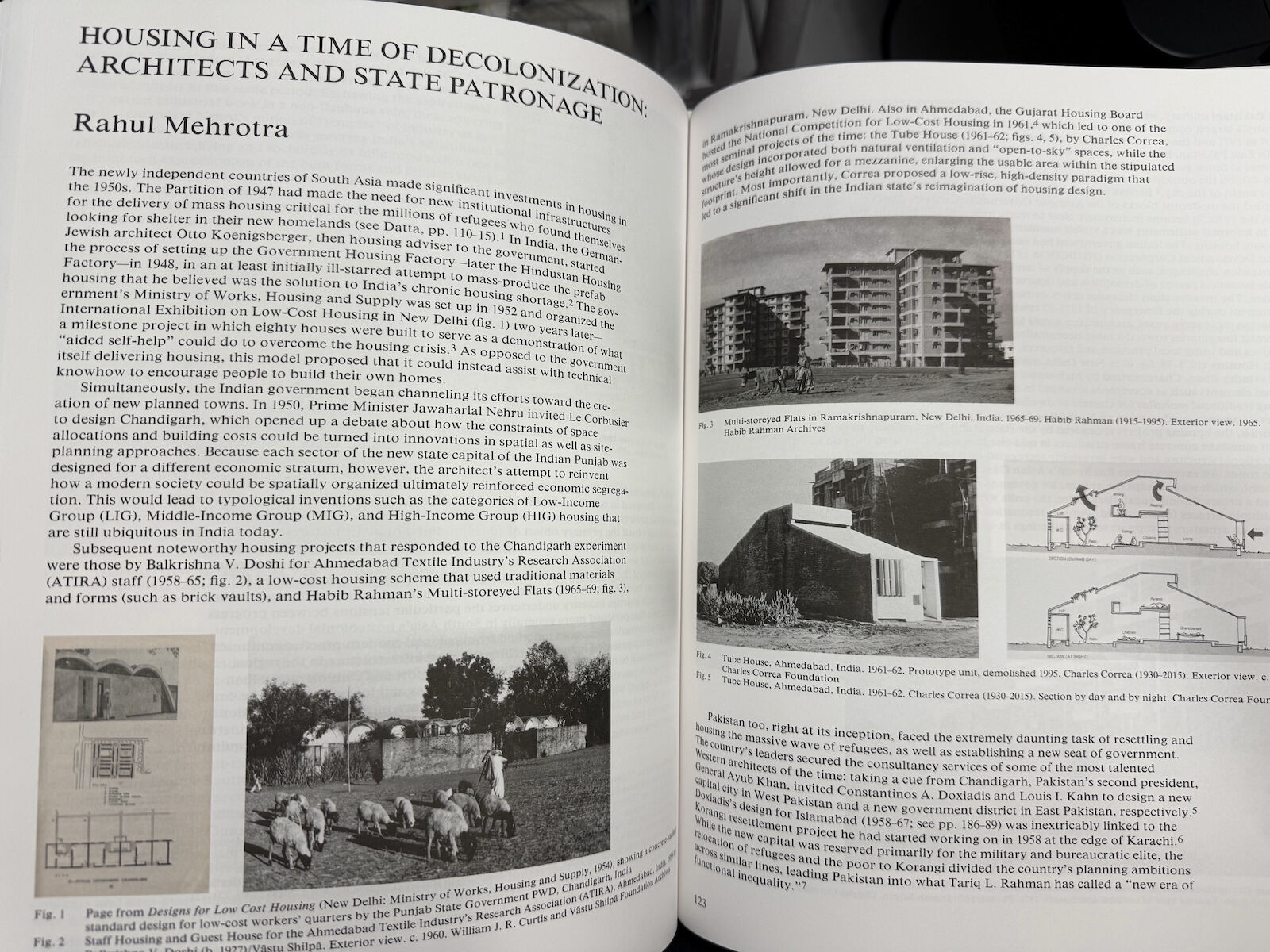
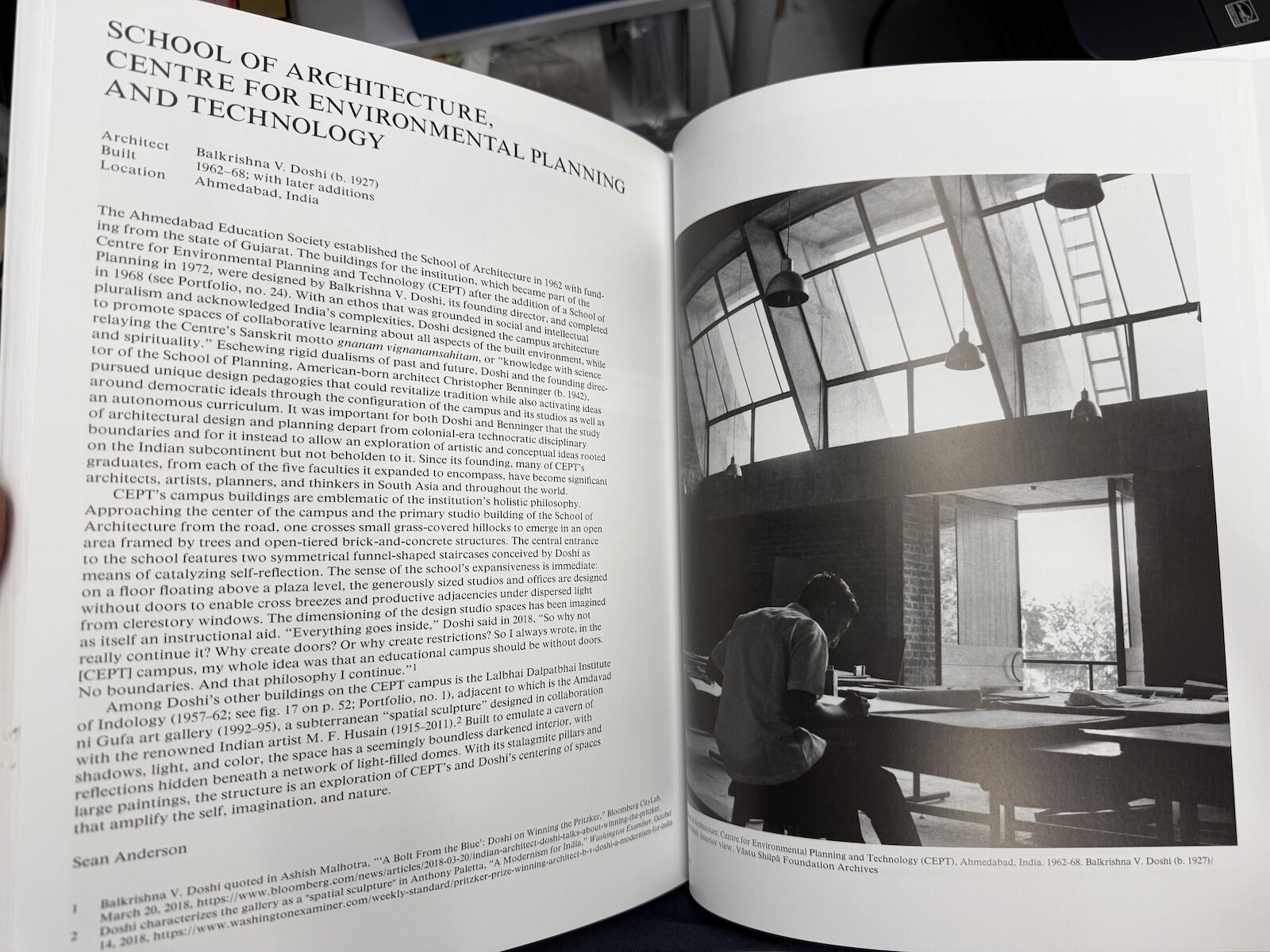
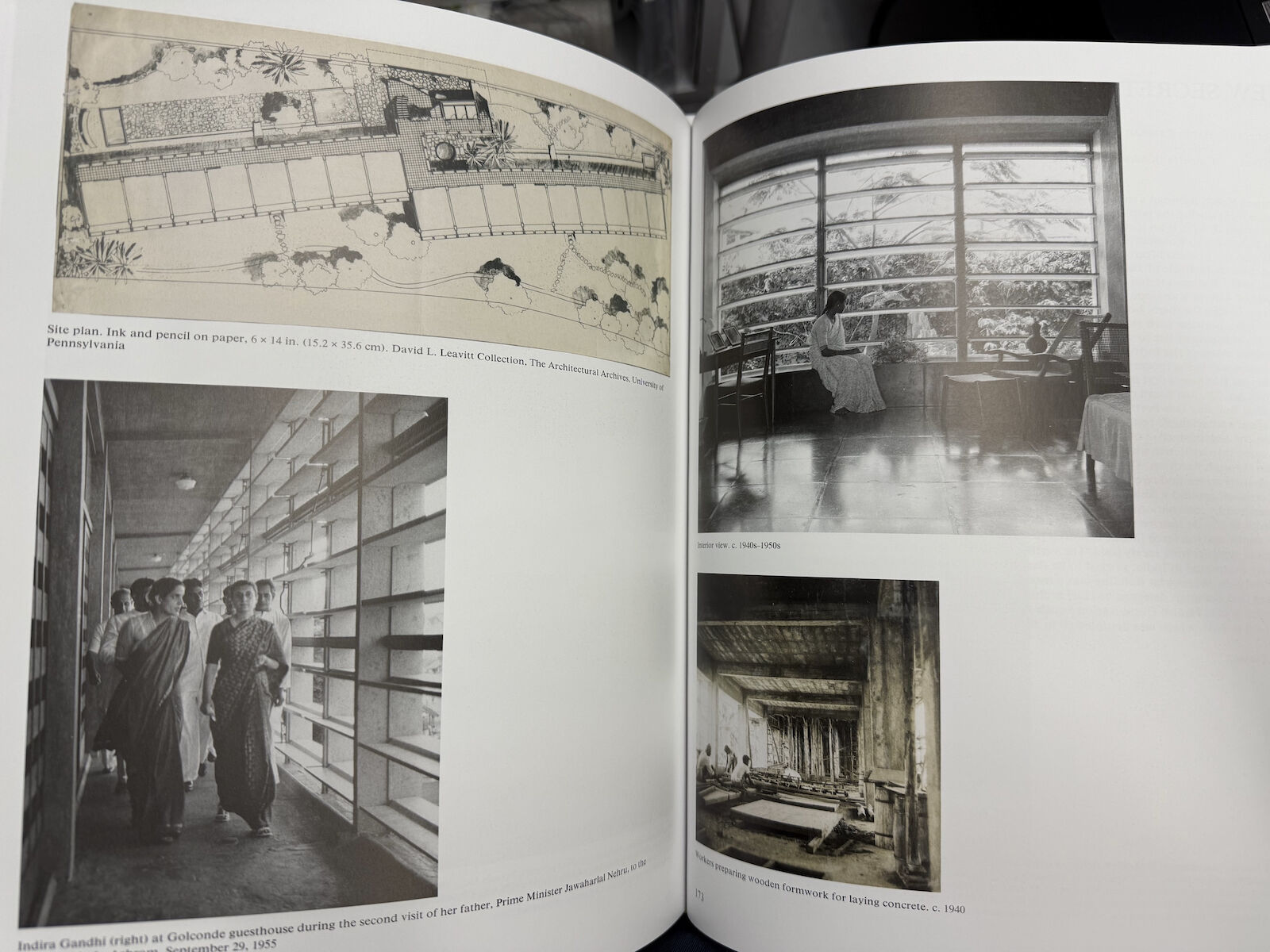
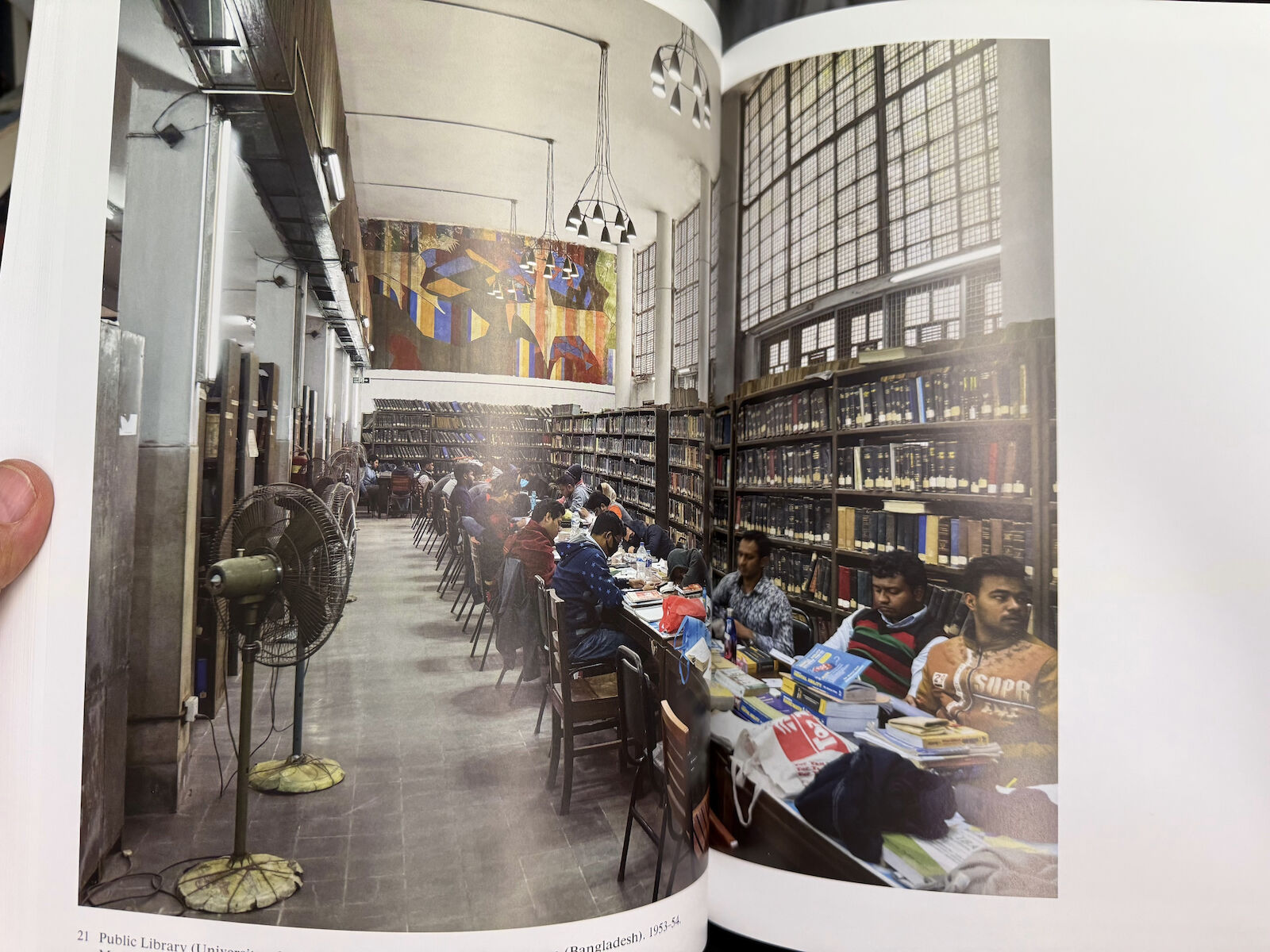
Architects in India, Pakistan, Bangladesh (then East Pakistan until 1971), and Ceylon (now Sri Lanka) challenged the universalist claims of modernism by adapting its forms to local material, social, and climatic conditions, thereby disrupting the inherited colonial hierarchies of center and periphery.
Architecture offered multiple ways to articulate a break with the colonial past. Through the establishment of institutions that embodied the aspirations of the period, and the creation of new cities and spaces for political representation, South Asian architects produced a distinct body of work in dialogue with global developments while advancing theories and practices of low-cost, climatically and socially responsive design.
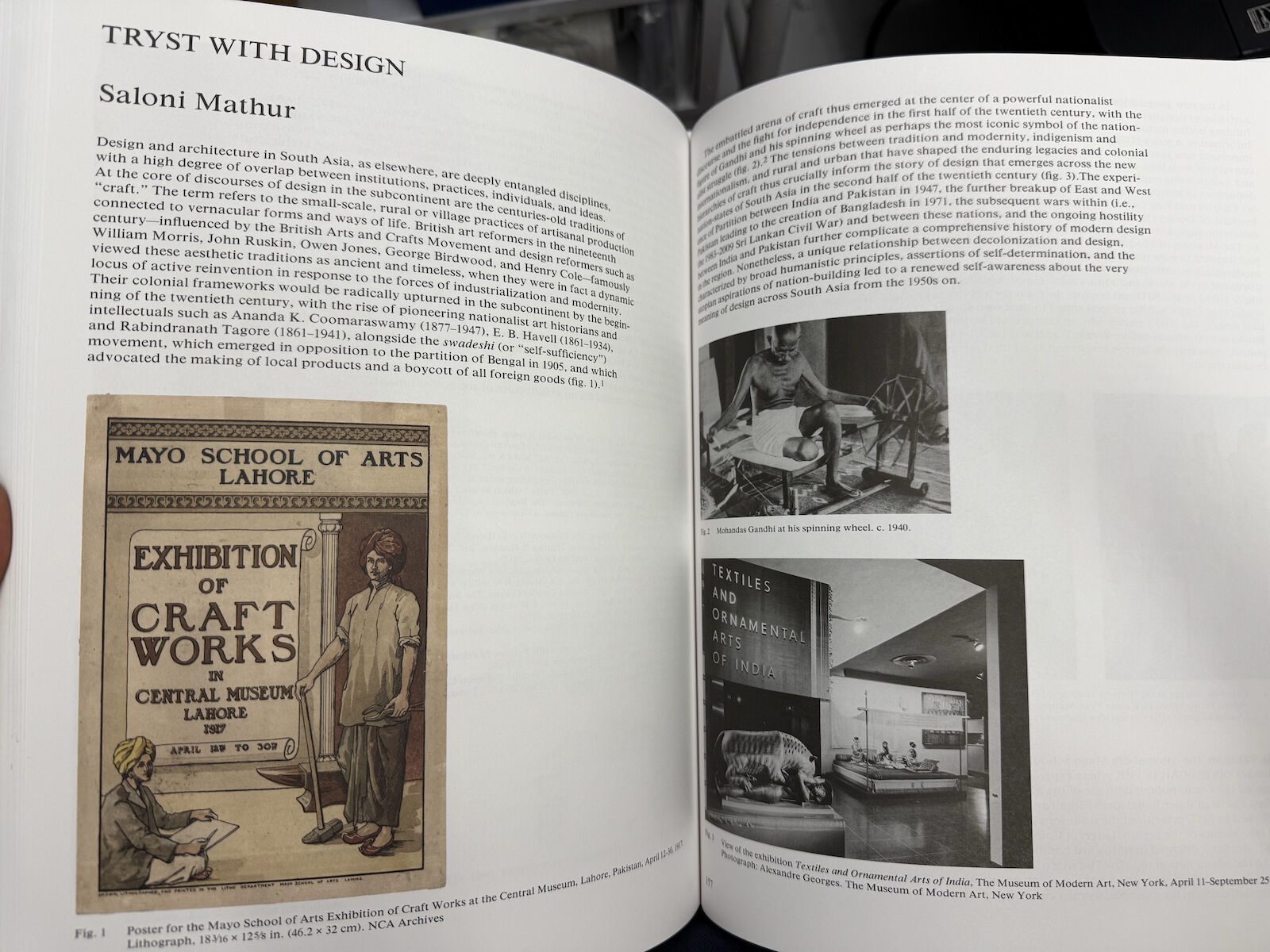
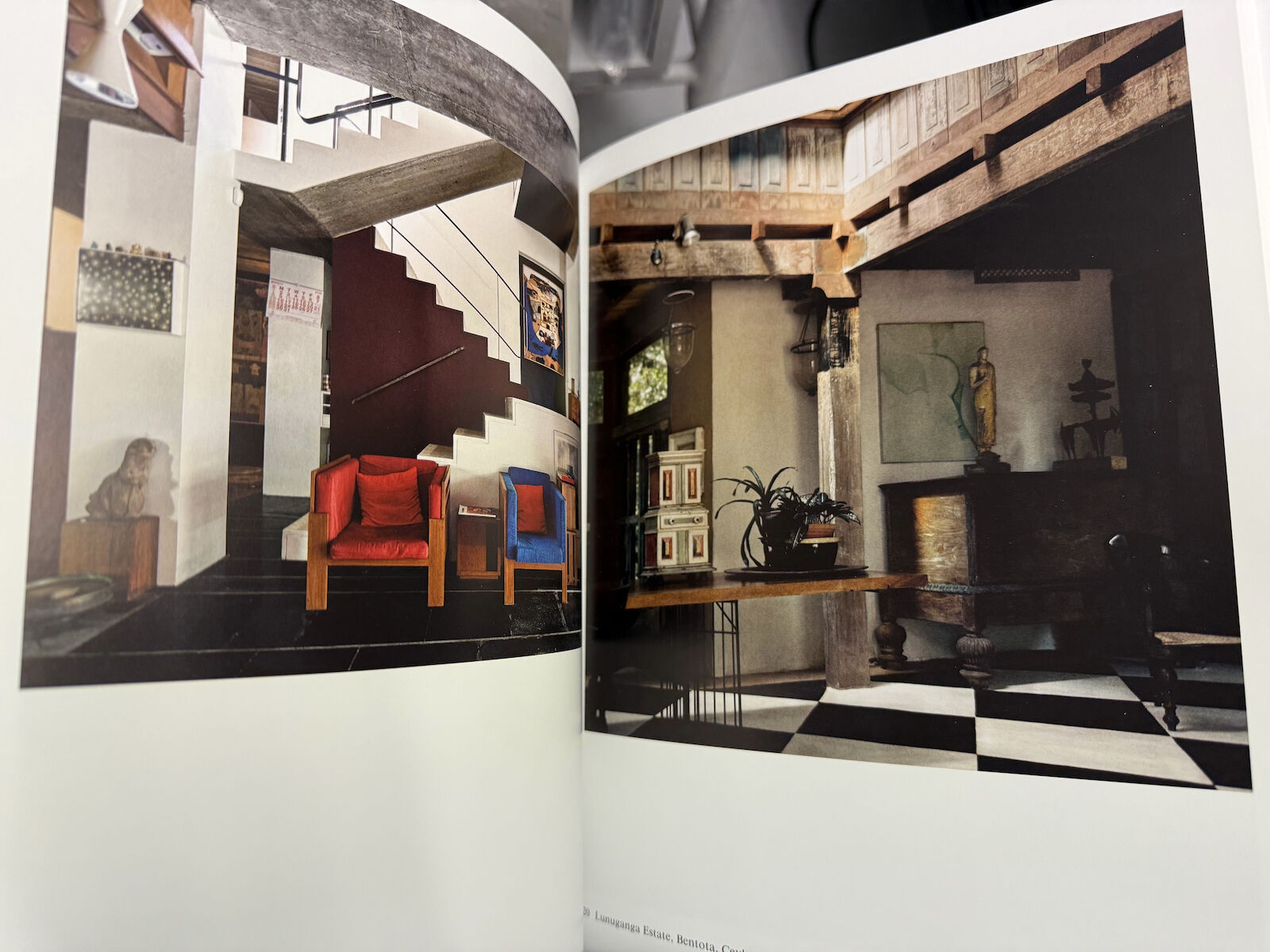
Anchored by a newly commissioned portfolio of images from architectural photographer Randhir Singh, this richly illustrated and meticulously researched catalog features essays by the curators and leading scholars on subjects such as the politics of concrete, institution-building, higher education, housing, infrastructure and industry, landscape and design, as well as presentations of 17 transformative projects from around the subcontinent. While several of the architects appearing in these pages have in recent years received monographic exhibitions, The Project of Independence marks the first attempt to consider their work within the ideological frameworks of its creation and the political context of the region as a whole.