Verletzliche Beute - Egyptian Textiles
Rare BookSpätantike und frühislamische Textilien aus Ägypten: Egyptian Textiles of Late Antiquity and Early Islam
Late Antique and early Islamic textiles, often referred to as Coptic textiles, form the focus of this volume.
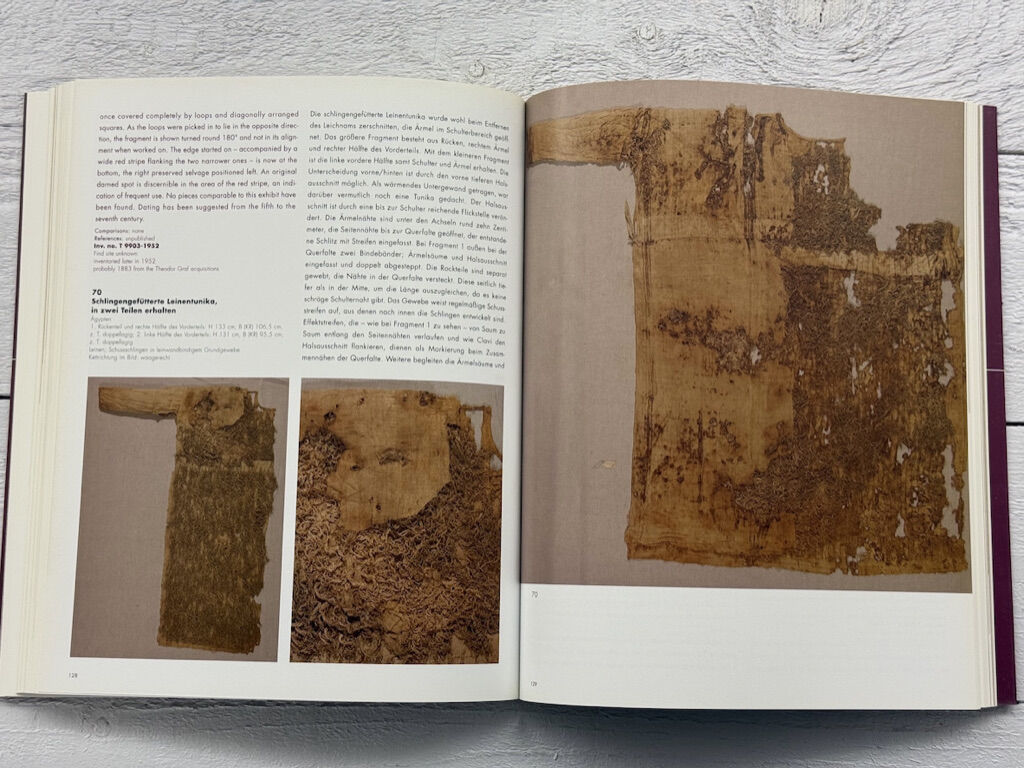
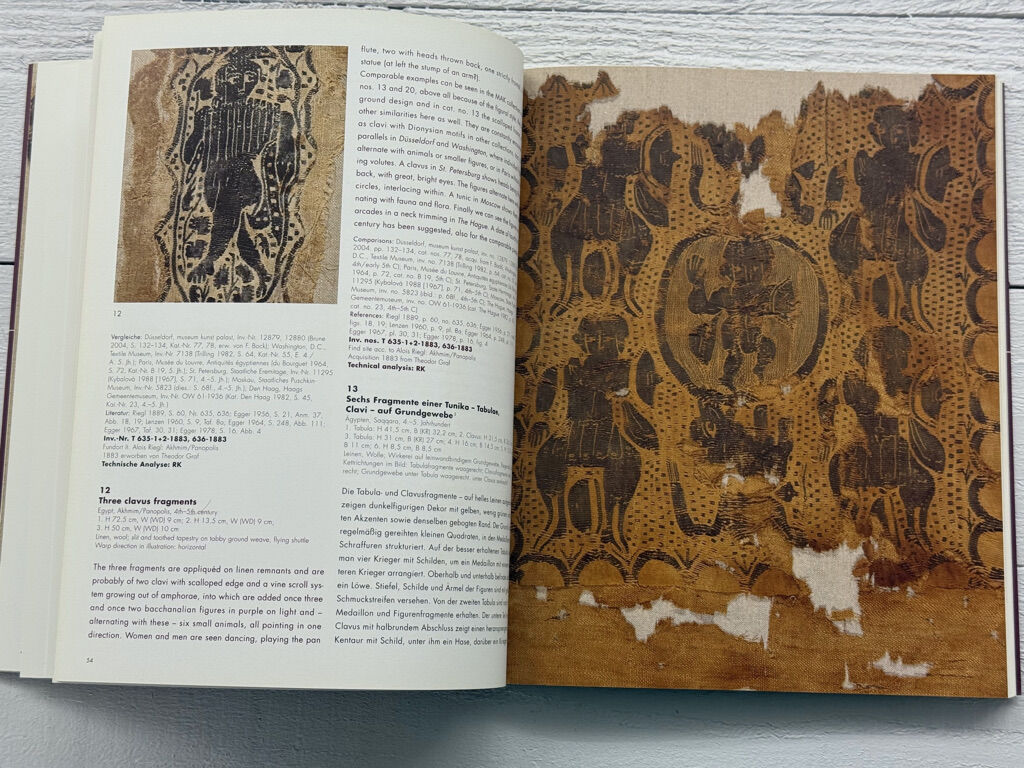
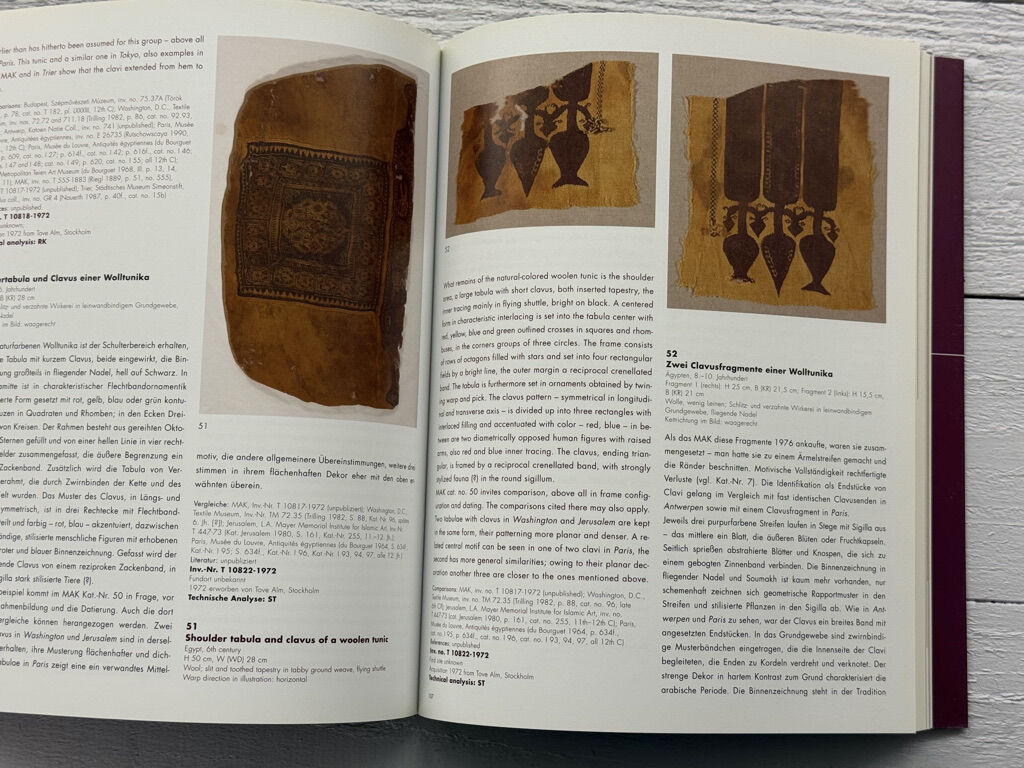
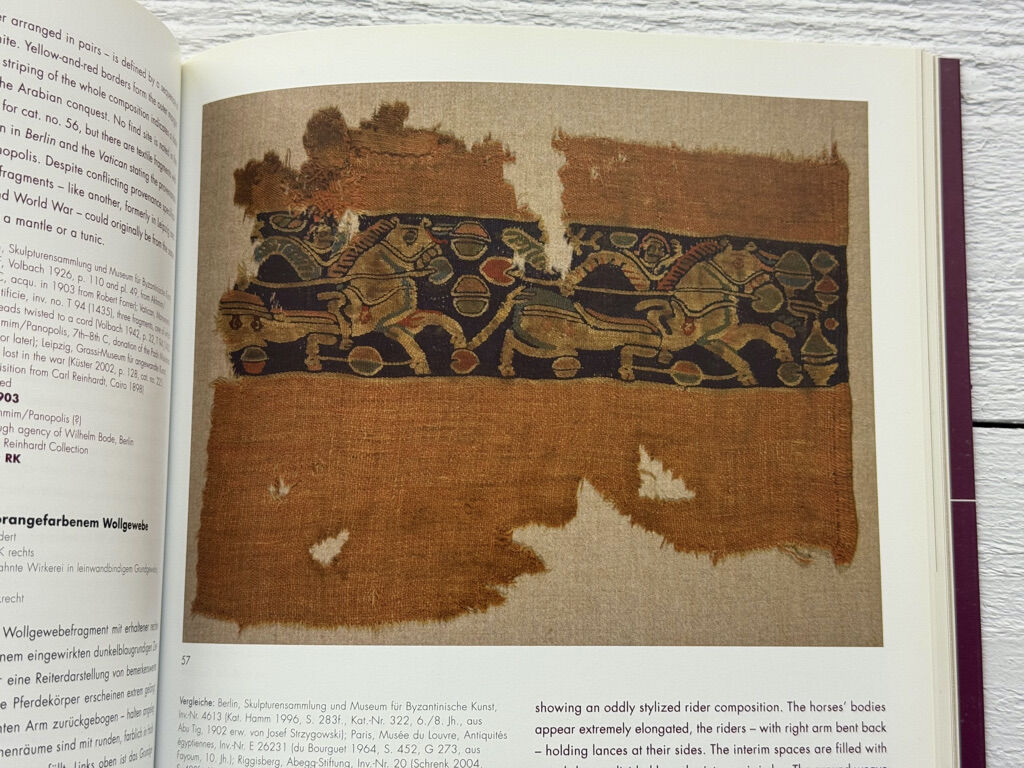
Produced in Egypt between the 3rd and 8th centuries, these woven objects include hangings, blankets, pillows, tunics, cloaks, and accessories made mainly from linen and wool. They offer a detailed insight into the richness, technical refinement, and visual diversity of textile production in the period.
The book also traces the early history of their collecting and reception in Vienna. In 1883, this then newly discovered category of archaeological finds was presented for the first time at what is now the MAK, accompanied by a catalogue compiled by the Orientalist Josef von Karabacek and the art dealer Theodor Graf. In the same year, the museum acquired the core of its Coptic textile collection from Graf.
Today the MAK’s collection comprises more than 1,000 Coptic textiles. This publication presents 115 selected highlights, each described in detail and placed in its historical, material, and technical context. In some cases, the objects are also examined with regard to their weaving techniques, making the volume both a collection catalogue and a scholarly reference work.