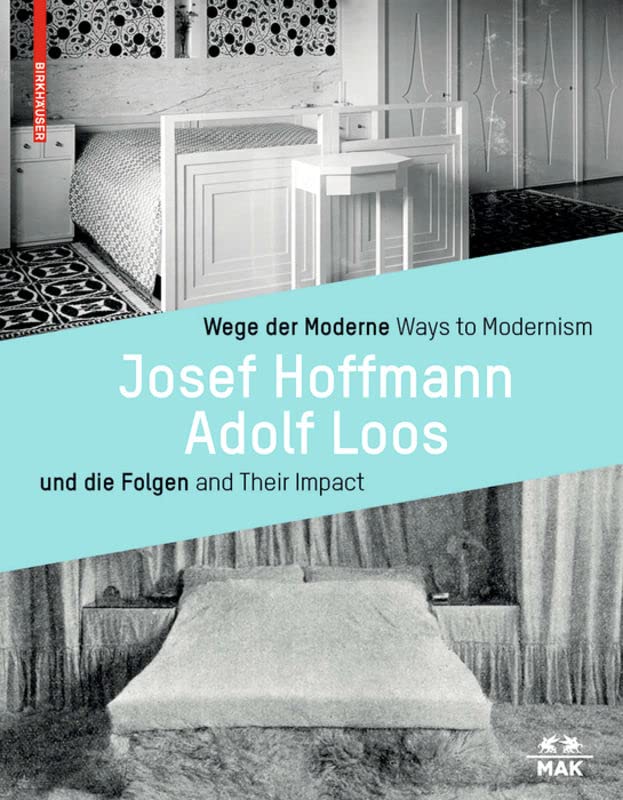
Wege der Moderne / Ways to Modernism
Josef Hoffmann, Adolf Loos und die Folgen / and Their Impact
The book examines two central modernist positions through the contrasting work of Josef Hoffmann (1870–1956) and Adolf Loos (1870–1933).
Their approaches represent opposing responses to the fundamental changes brought about by industrialization, democratization, and the emergence of modern urban life.
Hoffmann pursued the comprehensive aestheticization of everyday life, seeking to shape architecture, interiors, objects, and ornament into a unified artistic environment. Loos, by contrast, understood architecture and design as a functional framework for individual life, rejecting ornament as a cultural and social excess. From these positions emerged two distinct concepts of modern living: one based on artistic totality, the other on restraint, function, and personal autonomy.
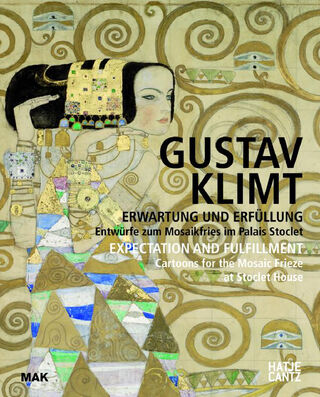
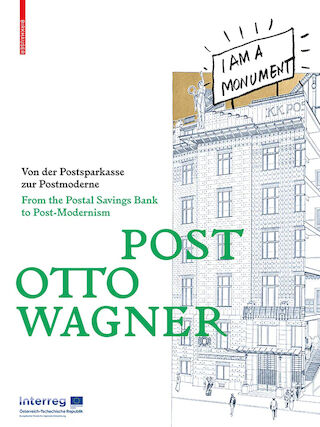
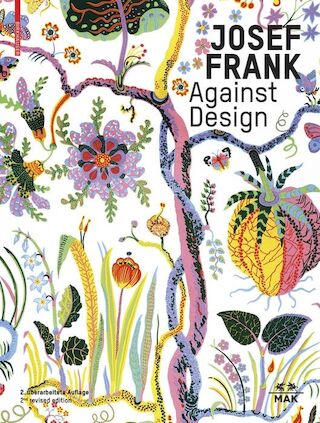
In sixteen essays, scholars from Europe and the United States examine the historical conditions, key works, and lasting consequences of these two traditions of modernism, from the nineteenth century to the present. Numerous illustrations document not only major works by Hoffmann and Loos, but also those of their predecessors, including Otto Wagner, and successors such as Josef Frank.
Published on the occasion of the exhibition at the MAK – Austrian Museum of Applied Arts / Contemporary Art, Vienna.